Tsukiji Market Half-Day Walking Guide | 5 Must-Visit Attractions + Most Efficient Route (Including Transportation and Business Hours Summary)

Author of the travel book "Explore Tokyo by Subway"
Loves traveling in Japan, specializes in sharing travel tips × accommodation recommendations × self-driving itinerary design on platforms like IG and Facebook
Walk into Tsukiji: A Strolling Experience Combining Historical Culture and Local Cuisine
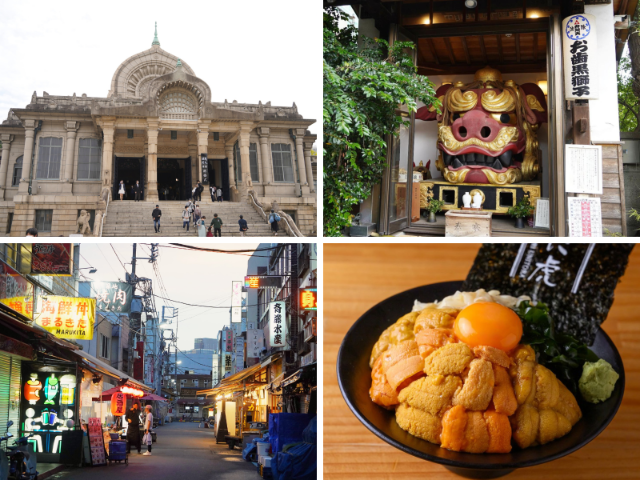
This half-day walking guide for Tsukiji Market will connect these 5 must-visit spots into a complete route starting from Tsukiji Station and returning to Tsukiji Station, which can be completed in 3-4 hours, perfectly fitting into a schedule that starts at 8:00 AM and ends before noon. Each spot includes practical information and the best visiting times, so you can follow along smoothly.
Tsukiji Half-Day Walking Route Overview
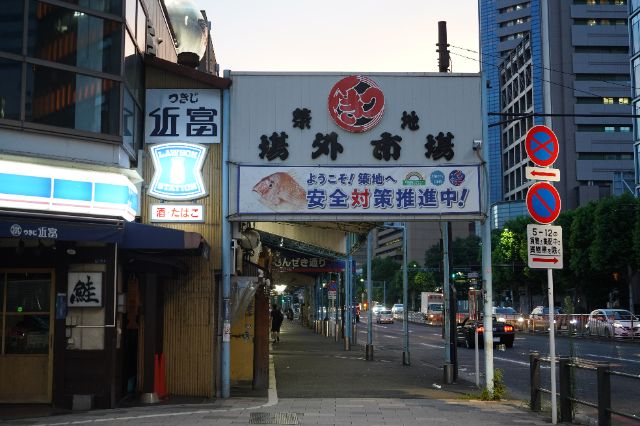
Tsukiji Station
→ ① Tsukiji Honganji (landmark warm-up)
→ ② Tsukiji Marutoyo (breakfast supply)
→ ③ Outer Market Backstreets (artisan old shops tour)
→ ④ Namiyoke Jinja (guardian deity of Tsukiji)
→ ⑤ MATCHA STAND MARUNI (matcha wrap-up)
→ Tsukiji Station
The best departure time is around 8:00 AM—Tsukiji Marutoyo and the outer market have just opened, the crowd is still small, and the artisans have just started their day’s work, making it the most "alive" feeling time to observe the entire Tsukiji.
First stop: Tsukiji Honganji
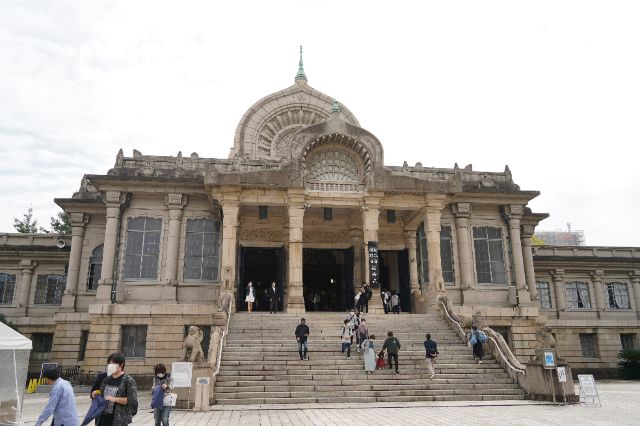
Practical Information about Tsukiji HonganjiPractical Information about Tsukiji Honganji
・ Address: 3-15-1 Tsukiji, Chuo City, Tokyo
・ Opening Hours: Main Hall 6:00–16:00 (seasonal adjustments)
・ Admission: Free
・ Transportation: Directly connected to Tokyo Metro Hibiya Line "Tsukiji" Station Exit 1
・ Must-see: Indian/Southeast Asian style architecture, animal stone carvings by Chuta Ito, pipe organ in the main hall
・ Bonus: "18-item breakfast" at the attached café Tsumugi
Second Stop: Tsukiji Marutoyo (Breakfast Supply)
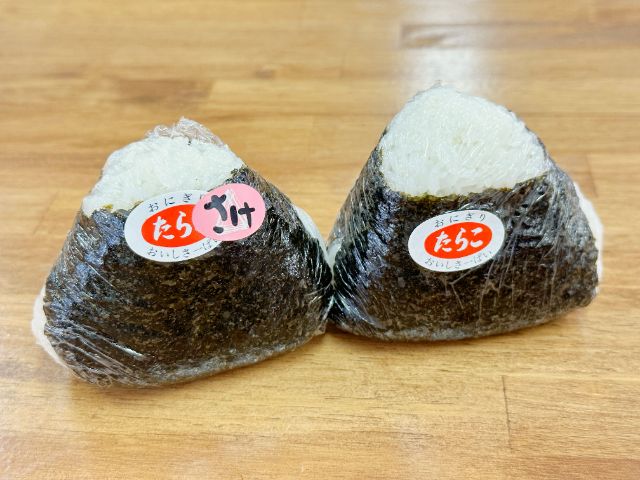
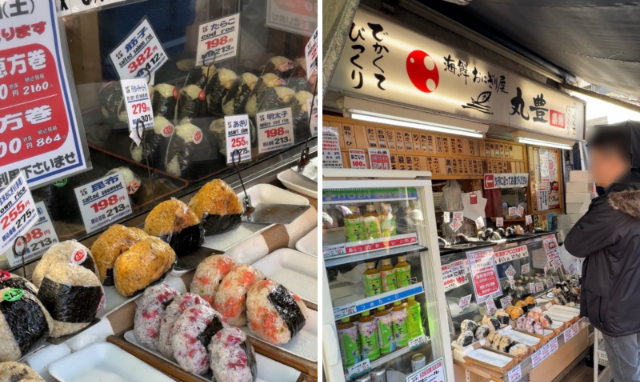
Important: Marutoyo only accepts cash. This is a common tradition among old Tsukiji shops, so it's recommended to prepare some change before you go. Although the line at the entrance looks intimidating, the flow is smooth, and you can usually buy within 10–15 minutes. You don't have to eat it on the spot; right next door is "Tsukiji Uo Gashi Odawara Bashi Building," where there are terrace seats on the third floor to enjoy your meal slowly.
Useful Information about Tsukiji Marutoyo
・ Address: 4-9-9 Tsukiji, Chuo City, Tokyo
・ Phone: 03-3541-6010
・ Business Hours: Opens early in the morning (latest version around 6:00–13:30, may vary depending on the season, closes when sold out)
・ Closed: Sundays, national holidays, and market closure days
・ Payment: Cash only
・ Price Range: Rice balls 270–600 yen
・ Must Try: Salmon Harasu, Oyako, Ebi Ten, Bomb (soft-boiled egg)
1. Third Station: Strolling through the Alleyways of the Outer Market
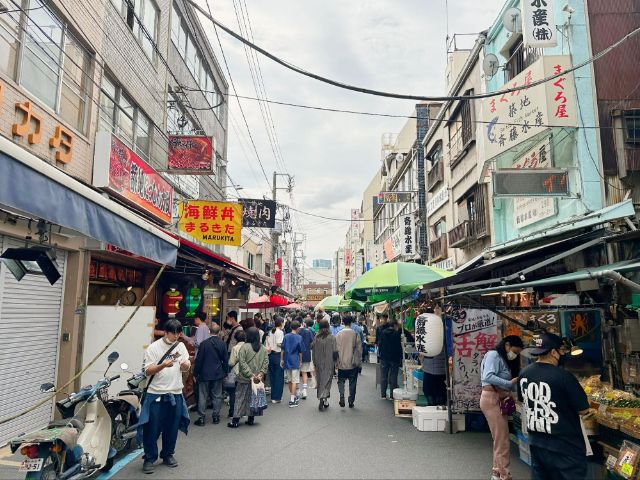
Aritsugu | A knife shop with over 460 years of history
Bonito flakes and dried fish shop, porcelain old store
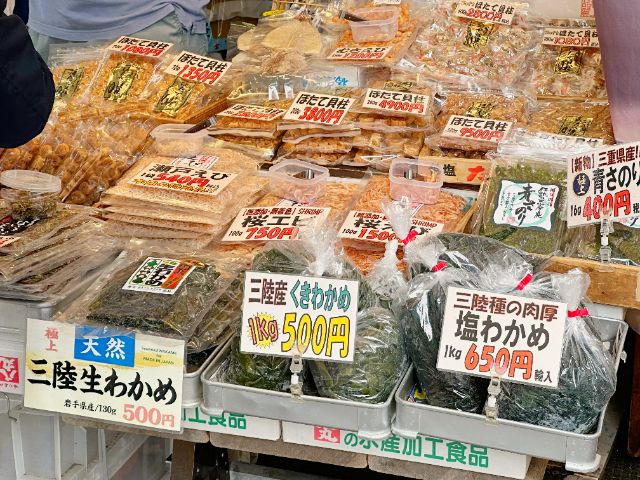
Useful Information about the Outer Market
・ Overall business hours: Most shops 5:00–14:00 (some until 15:00)
・ Closed: Sundays, national holidays, and market closure days (at least one day a week, most shops are closed, so check the Central Wholesale Market calendar in advance)
・ Payment: Many old shops still primarily accept cash
Fourth Stop: Namiyoke Jinja
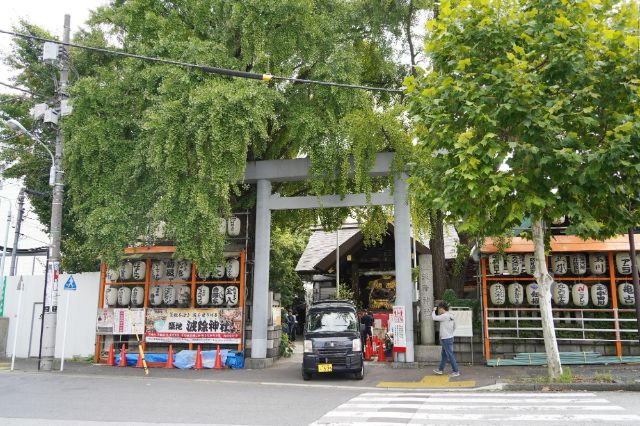
This is the guardian shrine of the Tsukiji market operators for generations, and every morning, vendors still come to pay their respects, making it a truly "living" place of faith.
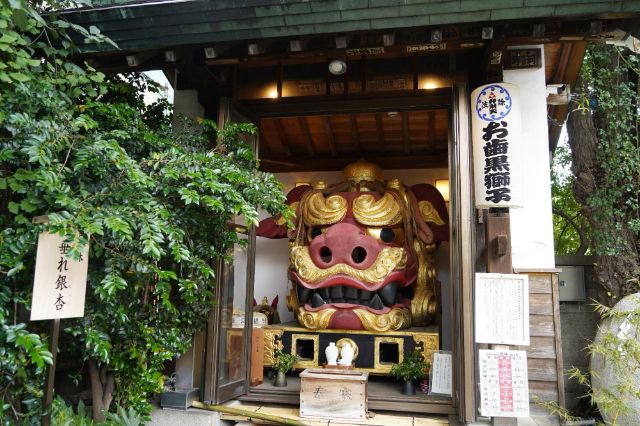
Namiyoke Shrine Practical Information
・ Address: 6-20-37 Tsukiji, Chuo City, Tokyo
・ Phone: 03-3541-8451
・ Opening Hours: Open all day, Shrine office 9:00–17:00
・ Admission: Free
・ Transportation: 7 minutes on foot from Tokyo Metro Hibiya Line "Tsukiji" Station / 5 minutes on foot from Toei Oedo Line "Tsukiji Market" Station
Fifth Station: MATCHA STAND MARUNI TOKYO TSUKIJI
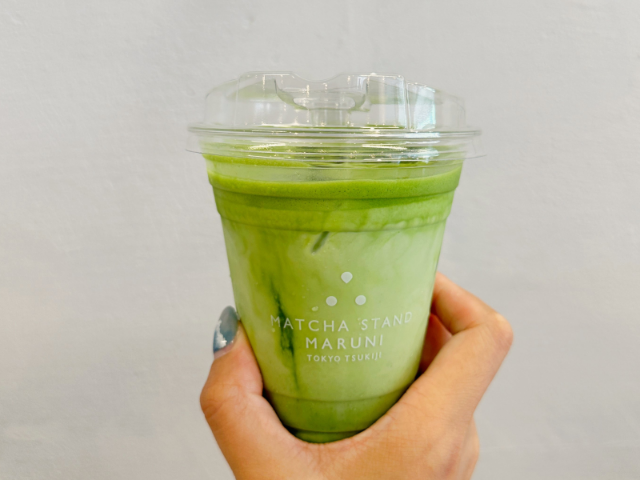
The signature drink is the "Matcha Latte," made with carefully selected high-quality matcha from tea gardens across Japan, with no additives or preservatives. In addition to beverages, the shop also sells its own brand "Chano Wa Kenkyujo" tea leaves, sencha, genmaicha, and tea utensils (teapots, iron kettles, tea bowls)—perfect as souvenirs, and the packaging design is more refined than typical matcha products found in tourist areas.
PRACTICAL INFORMATION FOR MATCHA STAND MARUNI
・ Address: 4-14-18 Tsukiji, Chuo City, Tokyo, Myosenji Building 101
・ Phone: 03-6264-3835
・ Business Hours: 8:00–16:00 (Sunday and public holidays 9:00–15:00)
・ Closed: Wednesday
・ Price Range: Beverages ~999 yen
Tsukiji Transportation Method
Conclusion: The charm of Tsukiji is not just seafood.
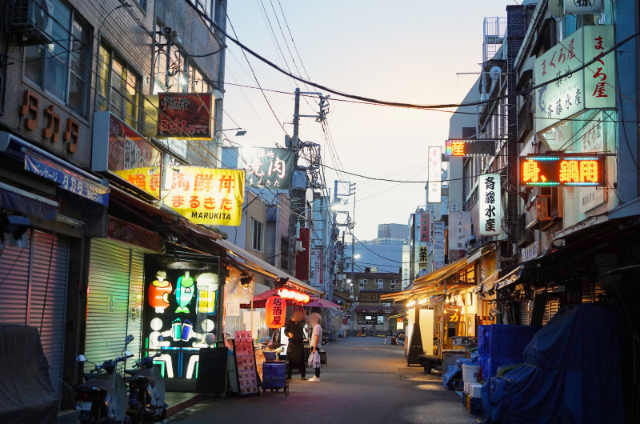
Following this route in a circle, you will find that what truly attracts people to Tsukiji is not the "cheapest tuna bowl," but every little detail along the way: the hands of the aunt at Marutoyo rice balls, the sound of the master sharpening his knife, the daily prayers of the vendors at Namiyoke Shrine, and the rhythm of the tea whisking at MARUNI. These things combined are what make Tsukiji.
Dinner recommendations after a stroll in Tsukiji: Reserve at local restaurants in Tsukiji with SAVOR JAPAN
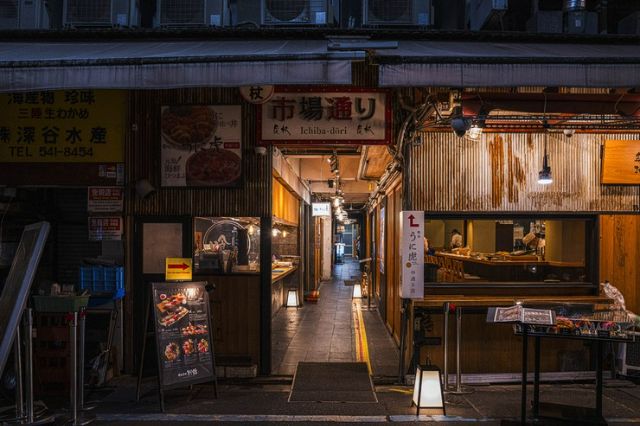
Sushi Unitora
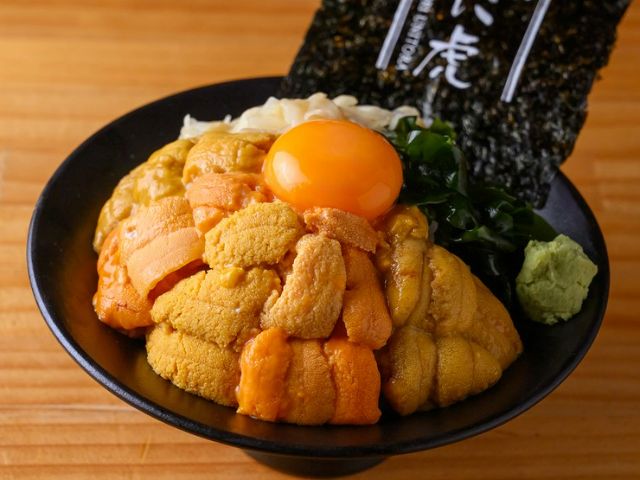
📝 Local journalist's food review:
Must-eat food in Tokyo Tsukiji! The exquisite sea urchin bowl from the famous "Sushi Unitora"
Sushi Unitora
Closed: Irregular holidays
Average Price: [Dinner] 50,000 JPY
Access: From Tsukiji Station Exit 1, go straight along Shin-Ohashi Street, turn left at the Tsukiji 4-chome intersection, then turn right at the first street on Nakadori Street, and it will be on your left.
Address: MIHIRO Building 1F, 4-10-5 Tsukiji, Chuo-ku, Tokyo
More Details Reservation
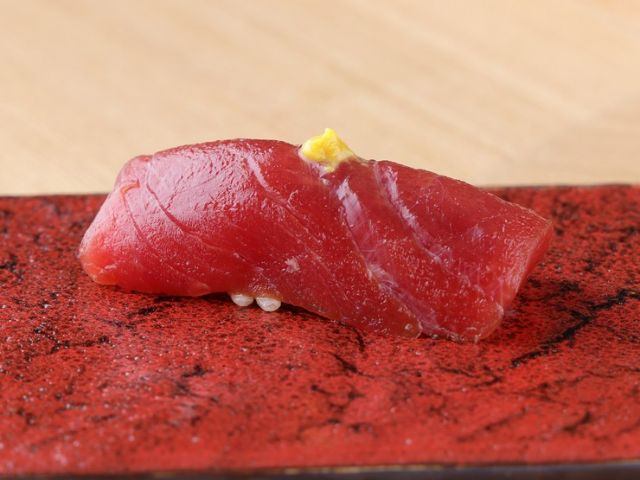
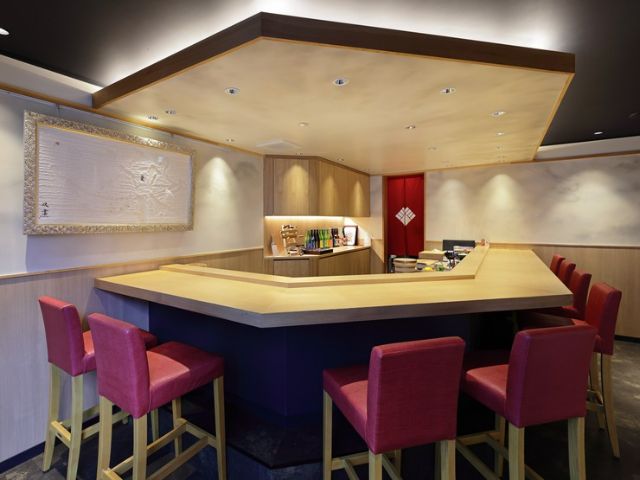
Ginza Sushi Inada
Ginza Sushi Inada
Closed: Wednesday
Average Price: [Dinner] 17,000 JPY / [Lunch] 10,000 JPY
Access: 3-minute walk from Higashi-ginza Station Exit 4 / 6-minute walk from Ginza Station Exit A3 on the Tokyo Metro Ginza Line / 6-minute walk from Tsukijishijo Station Exit A3 on the Toei Oedo Line
Address: 6F, Ishiwada Bldg., 5-14-9, Ginza, Chuo-ku, Tokyo
More Details Reservation
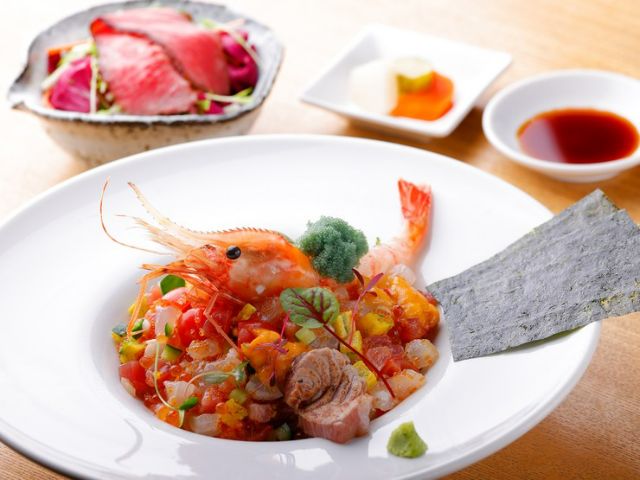
Tsukiji BON・MARCHE
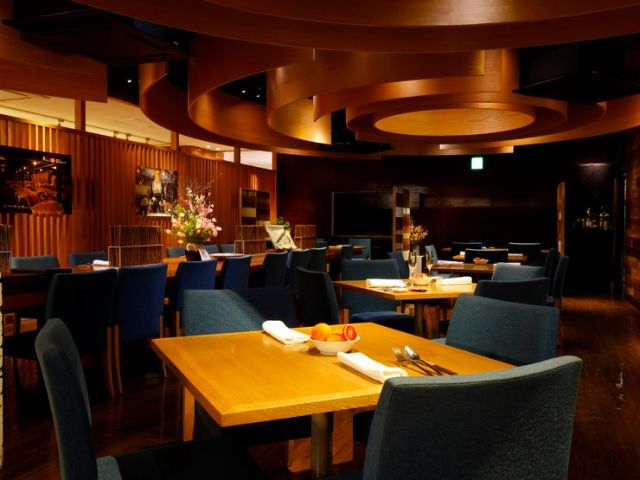
Tsukiji Bon Marché
Closed: Wednesday
Average Price: [Dinner] 10,000 JPY / [Lunch] 2,000 JPY
Access: 3-minute walk from Exit 2 of Tsukiji Station on the Tokyo Metro Hibiya Line / 5-minute walk from Exit A1 of Tsukijishijo Station on the Toei Oedo Line
Address: 2F, 4-7-5, Tsukiji, Chuo-ku, Tokyo
More Details Reservation
Q1: How do I use SAVOR JAPAN to reserve a restaurant in Japan?
A: The reservation process is very simple. Please click the "Go to Reservation" button for the restaurant in the article, select your desired date, time, number of people, and set menu, and fill in the required contact information (name, email, etc.) to complete the application.
Q2: Is there a service fee for using SAVOR JAPAN to reserve a restaurant?
A: Absolutely not. Browsing restaurant information and making online reservations through SAVOR JAPAN is completely free. You only need to pay for the actual meal and drink costs to the restaurant after dining on the day.
Q3: Will I receive a notification after the reservation is completed? How should I check in on the day of dining?
A: After a successful reservation, the system will automatically send a "Reservation Confirmation Email" to the email address you provided. On the day of dining, when you arrive at the restaurant, please show the staff the email screen or reservation number to be seated smoothly.
Q4: What should I do if I need to cancel or change my reservation at the last minute?
A: If you need to cancel or change, please be sure to do so through the link in the reservation confirmation email. Please note that each restaurant has different cancellation policies, and late cancellations may incur a cancellation fee, so it is recommended to confirm in advance.
Disclaimer: All information is accurate at time of publication.
Thank you for reading our article.
Our goal is to take your culinary journey to the next level by helping you find the best restaurant. With SAVOR JAPAN, you can search and make reservations for
the Sushi restaurants found in and around Tsukiji that fill your needs.
Discover more Sushi restaurants by area
- Tokyo Area
- Near Tokyo
- Kyoto and Osaka Area
- Hokkaido Area
- Northern Honshu (Tohoku)
- Central Honshu (Chubu)
- Western Honshu (Chugoku)
- Shikoku
- Kyushu
- Okinawa and Ryukyu Islands
Discover more restaurants to eat Cuisine by area
Keywords
Related Articles
-
![Must-Visit Attractions in Yanaka Ginza and Nearby Delicacies: Cute Cat Sculptures and Popular Foods[Tokyo Downtown Half-Day Tour]](https://rimage.savorjapan.com/svj/image/discover_oishii_japan/6729/article_head.jpg?t=1757063774)
Must-Visit Attractions in Yanaka Ginza and Nearby Delicacies: Cute Cat Sculptures and Popular Foods[Tokyo Downtown Half-Day Tour]
If you want to experience a nostalgic atmosphere while strolling through Tokyo, you must visit "Yanaka Ginza." This place retains a strong downtown charm, allowing you to feel the allure of the Showa era streetscape, and it hides many surprising highlights. As you walk along the shopping street, you will discover "7 wooden carved cats" quietly waiting for visitors in the alleys, becoming a must-visit cute photo spot for cat lovers. In addition to the cat elements, Yanaka Ginza is also a treasure trove of delicious food, from the crispy and fragrant Yanaka senbei to the summer-long lines at "Himitsudo" shaved ice, as well as unique izakayas, yakitori restaurants, and high-end wagyu barbecue around the nearby stations. A variety of delicious and fun shops are hidden around Yanaka Ginza. Whether you want to snack while walking or find a tasty restaurant, you can find your own joy here. Follow this article and embark on a half-day trip to Yanaka Ginza!
-
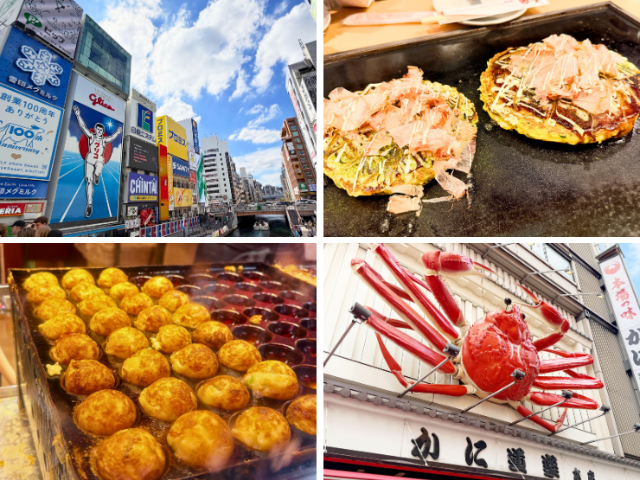
Don't miss these 8 must-eat popular foods in Dotonbori, Osaka! From snacks to delicious restaurants, everything is in this article.
Speaking of Osaka, Dotonbori is a "food paradise" that travelers must visit! From classic okonomiyaki and takoyaki to rich ramen and unique desserts, you can taste all the local specialties of Osaka on just one street. This article introduces 8 must-try popular restaurants around Dotonbori, so you can eat from morning to night without making any mistakes!
-
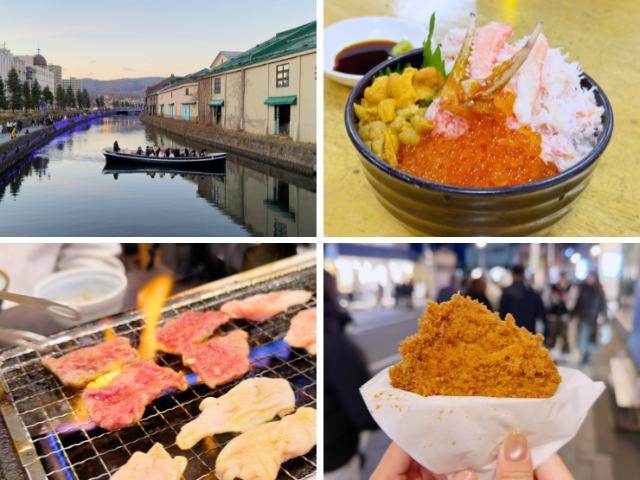
Otaru Gourmet Recommendations: A Complete Guide to Enjoy Barbecue, Seafood, and Desserts All at Once, A Must-Try List Loved by Locals
When mentioning Otaru, Hokkaido, many people first think of the Otaru Canal, retro streets, and glass crafts. However, for those who truly travel to Otaru, "Otaru cuisine" itself is worth dedicating an entire day's itinerary. From enjoying fresh seafood at the Sankaku Market in the morning, to an afternoon dessert tour, and ending the day with a meal at a local favorite yakiniku restaurant, Otaru is a city that allows you to experience "eating" in a very refined way.This article compiles popular food establishments in Otaru, covering yakiniku, seafood, desserts, and wagyu snacks that you can enjoy while walking. It is not only suitable for first-time visitors to Otaru but also for travelers who want to delve deeper into the local cuisine.
-
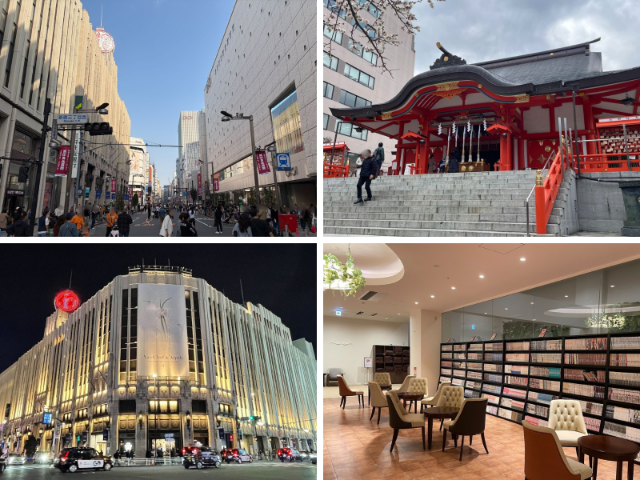
Exploring Shinjuku-Sanchome: 5 Must-Visit Attractions and Hidden Gourmet Map from a Century-Old Shrine to Urban Hot Springs | Tokyo
Shinjuku Station is regarded as Tokyo's busiest transportation hub, and just about a 10-minute walk from Shinjuku Station is "Shinjuku-Sanchome," which boasts many attractions filled with a blend of history and modern charm. This article selects 5 must-visit attractions near Shinjuku Sanchome and 3 hidden culinary gems: whether you want to pray for career success, enjoy exquisite desserts, or completely relax in a 24-hour "natural hot spring" amidst the bustling city, this place can meet your needs. The hidden culinary gems range from the understated luxury of Japanese Black beef tongue barbecue to popular teppanyaki spots suitable for gatherings with friends. Come and explore Shinjuku-Sanchome with this walking guide!
-
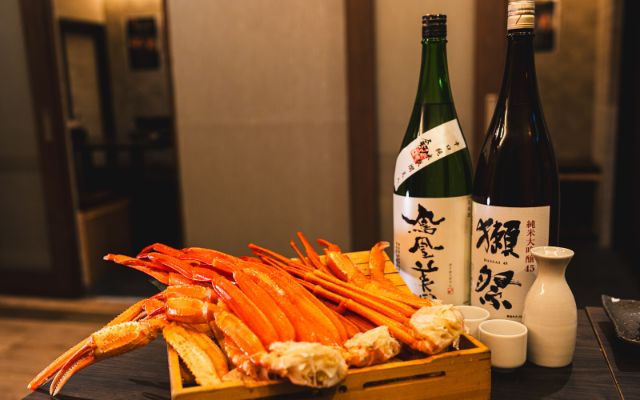
Tokyo Shinagawa | Kani Isshin: Achieve "Crab Freedom" Without Worrying About the Season
When you come to Tokyo and want to eat crab, the two biggest concerns are: first, the transportation is too far, and second, you might miss the season. In the business elite area of Shinagawa, there is an extremely traveler-friendly option—"Crab, Seafood, and Fine Sake - Kani Isshin." It is just a two-minute walk from the Konan Exit of JR Shinagawa Station, with an excellent location. There are many hotels nearby, making it very suitable for traveling tourists. There is no such thing as "seasonal restrictions" here.
New Articles
-
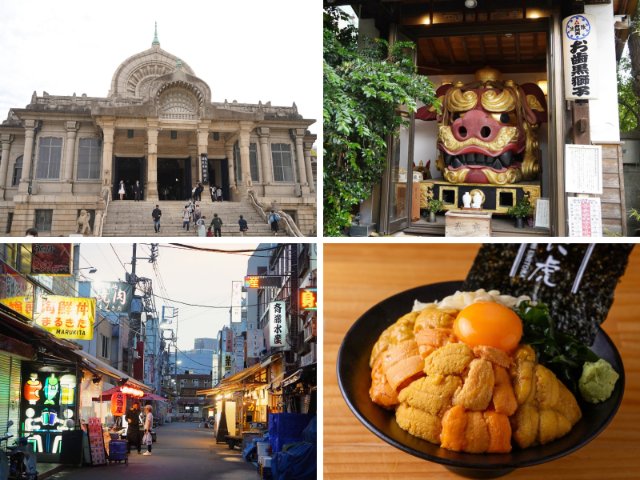
Tsukiji Market Half-Day Walking Guide | 5 Must-Visit Attractions + Most Efficient Route (Including Transportation and Business Hours Summary)
-
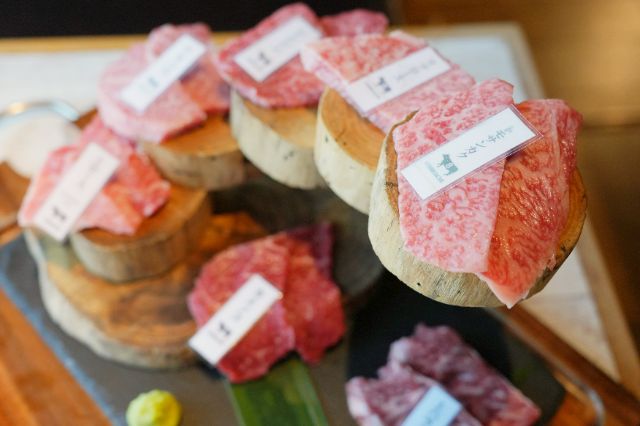
Ueno Wagyu BBQ USHIHACHI Kiwami | A recommendation for black-haired wagyu barbecue just 1 minute from Ueno Station, complete guide on must-order dishes, transportation, and reservations.
-
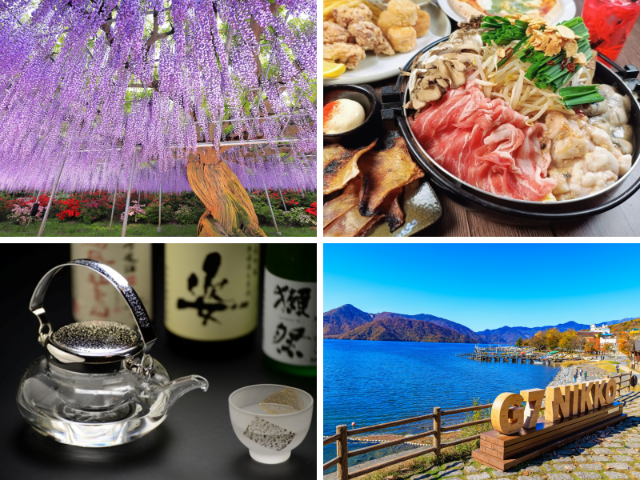
Tochigi Travel Guide: Nikko, Ashikaga & Local Food Bookings
-
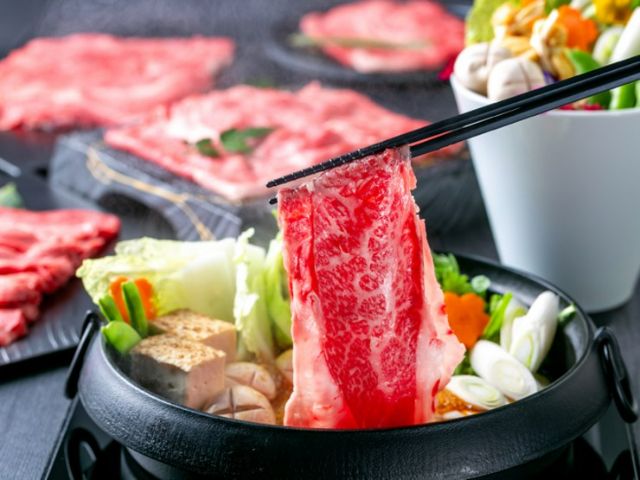
It's not just sushi! Fukuoka Luxury "Omakase" Recommendations: Wagyu, Teppanyaki, Tempura Reservation Guide
-
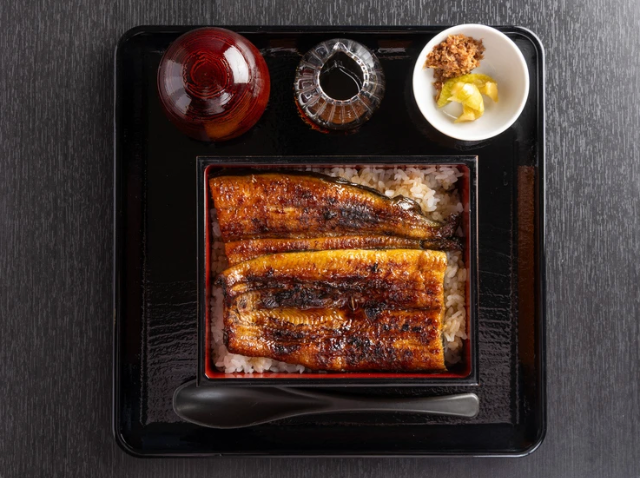
7 Top Eel Restaurants in Fukuoka Where You Can Make Reservations! Enjoy Exquisite Unadon, Seiro-Mushi, and Hitsumabushi Without Waiting in Line
Categories
Cuisine
- Bars (24)
-
Japanese Cuisine (707)
- Kaiseki (51)
- Nabe (22)
- Okonomiyaki (25)
- Shabu Shabu (38)
- Soba (19)
- Sushi (150)
- Tempura (21)
- Teppanyaki (46)
- Shojin Ryori (4)
- Tonkatsu (16)
- Kushiyaki (10)
- Yakitori (46)
- Sukiyaki (36)
- Japanese Cuisine (344)
- Oyster (3)
- Sashimi/ Seafood (34)
- Unagi (eel) (38)
- Motsu Nabe (offal hotpot) (12)
- Mizutaki (chicken hot pot) (4)
- Oden (9)
- Kaisendon (seafood bowl) (12)
- Udon (3)
- Taverns(Izakaya) Cuisine (137)
- Western Cuisine (42)
- Italian/French Cuisine (98)
- Yakiniku/Steak (235)
- Chinese Cuisine (27)
- Ramen (Noodles) Cuisine (25)
- Cafe/Sweets (71)
- Other Asian Cuisine (5)
- Global/International Cuisine (7)
- Alcohol (59)
- Other (11)
Area
- Shikoku (10)
- Kyoto and Osaka (356)
-
Tokyo (494)
- Tokyo (309)
- Ginza (52)
- Roppongi (27)
- Shibuya (30)
- Shinjuku (52)
- Asakusa (21)
- Ebisu (15)
- Tsukiji (13)
- Tokyo Landmarks (5)
- Ueno (25)
- Akihabara (9)
- Ikebukuro (14)
- Jiyugaoka, Denenchofu, Nakameguro (9)
- Shimokitazawa (4)
- Kichijoji (3)
- Tachikawa (1)
- Omotesando, Harajuku, Aoyama (20)
- Akabane (1)
- Kagurazaka (4)
- Akasaka (10)
- Odaiba (2)
- Tsukishima, Harumi, Toyosu (3)
- Near Tokyo (106)
- Okinawa and Ryukyu Islands (58)
- Hokkaido (124)
- Northern Honshu (Tohoku) (31)
- Central Honshu (Chubu) (146)
- Western Honshu (Chugoku) (33)
- Kyushu (97)
Archives
- September 2026(6)
- August 2026(6)
- July 2026(11)
- June 2026(10)
- May 2026(7)
- April 2026(18)
- March 2026(3)
- February 2026(13)
- January 2026(11)
- December 2025(9)
- November 2025(4)
- October 2025(3)
- September 2025(6)
- August 2025(11)
- July 2025(19)
- June 2025(18)
- May 2025(34)
- April 2025(43)
- March 2025(30)
- February 2025(36)
- January 2025(25)
- December 2024(69)
- November 2024(31)
- October 2024(15)
- September 2024(38)
- August 2024(65)
- July 2024(31)
- June 2024(54)
- May 2024(61)
- April 2024(28)
- March 2024(31)
- February 2024(42)
- January 2024(32)
- December 2023(20)
- November 2023(5)
- October 2023(10)
- September 2023(7)
- August 2023(18)
- July 2023(8)
- June 2023(8)
- May 2023(18)
- April 2023(15)
- March 2023(1)
- January 2023(1)
- April 2022(2)
- March 2022(2)
- February 2022(1)
- January 2022(1)
- July 2021(1)
- March 2021(1)
- February 2021(1)
- December 2020(1)
- October 2020(1)
- September 2020(2)
- August 2020(10)
- July 2020(6)
- June 2020(9)
- May 2020(11)
- April 2020(8)
- March 2020(8)
- February 2020(13)
- January 2020(9)
- December 2019(24)
- November 2019(8)
- August 2019(14)
- July 2019(15)
- June 2019(18)
- May 2019(17)
- April 2019(16)
- March 2019(22)
- February 2019(22)
- January 2019(26)
- December 2018(34)
- November 2018(40)
- October 2018(32)
- September 2018(11)
- August 2018(8)
- July 2018(6)
- June 2018(9)
- May 2018(10)
- April 2018(21)
- March 2018(74)
- February 2018(39)
- January 2018(25)
- December 2017(60)
Keywords
- Omakase
- Accessible
- Affordable
- All-You-Can-Eat
- Amazing Scenery
- anime
- Art
- Autumn
- Awards
- Beer Gardens
- Breakfast
- Chef Recommendations
- Cherry Blossoms
- Chinese
- Close To Station
- Condiments
- Counter
- Coupon
- Crab
- Culture
- Dassai
- Dates
- delivery
- Early Summer
- Editor's Recommendation
- English Available
- Event
- Expo
- Fall Leaves
- Family-Friendly
- Famous Restaurant
- Famous Tourist Spot
- Fast Food
- festival
- fireworks
- Flower Farm
- Free Wi-Fi
- French
- Great Location
- Guide
- Hibachi
- hotpot
- How To
- hydrangea
- Hygiene
- Illumination
- Italian
- Izakaya
- Japanese
- Japanese alcohol
- jingisukan
- Kaiseki
- Kappo
- Kushiage
- Kushikatsu
- Kyoto
- Late-Night
- Lunch
- Manners
- matsusakagyu
- Michelin
- mizutaki
- Model Course
- monjayaki
- motsunabe
- Mt.Fuji
- Multilingual Menus
- Nabe
- Narita Airport
- New Year
- Ninja
- Noodle
- Oden
- Okonomiyaki
- omotenashi
- Onsen
- Osaka
- Osaka Station
- Photogenic Site
- pizza
- PR
- Private Room
- Ramen
- ranking
- Recipe
- Regional Cuisine
- Resort
- Rice Bowl Dish (Donburi)
- sacred places
- Sake
- Sakura
- Sashimi
- sea urchin
- Setouchi Area
- Shabu Shabu
- sightseeing
- Signature Dish
- Soba
- Solo Diners Welcomed
- Spicy Food
- Spring
- Steak
- Summer
- Sunflower
- Sushi
- takeout
- Teppanyaki
- Terrace Seating
- Tokyo
- Tokyo Experiences
- Tokyo Skytree
- Tokyo Tower
- unagi
- UNESCO
- Vegan
- Vegetarian
- Wagyu
- What Popular Gourmet Sites Recommend
- Whisky
- Wine Bar
- Winter
- Wisteria
- Workshop
- World Heritage Site
- World Writers
- Yakiniku
- Yoshoku
- Yuba
- Zen
Discover Restaurants By Area
-

Tokyo Area
Japan's largest city, Tokyo, is the center of culinary culture in Japan. Countless Tokyo restaurants serve every kind of food imaginable and the Toyosu fish market keeps restaurants stocked with the nation's finest fish.
-

Near Tokyo
Coastal areas, mountains and valleys surrounding Tokyo are bursting with tourist destinations, such as hot springs and ski slopes, where many unique foods are only available locally.
-

Kyoto and Osaka Area
The cities of Kyoto and Osaka, together with their surrounding areas, have greatly influenced Japan's culinary culture since the 7th Century. The region is renowned for its entertainment, Kobe beef, and wide-ranging traditional dishes.
-

Hokkaido Area
The island of Hokkaido is home to wide-ranging produce of the finest quality, such as rice, meat, vegetables, fish and fruit. Popular dishes from Hokkaido include robatayaki (food slowly roasted on skewers) and Sapporo miso ramen.
-

Northern Honshu (Tohoku)
The northern end of Japan's main island, Honshu, is renowned for its seasonal fruit and vegetables, nation-leading harvest of fish (especially tuna from Ohma), and delicious beef from Yonezawa, Sendai and Yamagata.
-

Central Honshu (Chubu)
Chubu is in the center of Japan's main island, Honshu, and its culinary culture reflects its position between Japan's western and eastern halves. Delicious Hida beef, world-famous Mount Fuji and many acclaimed sake breweries are in Chubu.
-

Western Honshu (Chugoku)
Chugoku, on the southwest of Japan's main island, is rich with diverse produce. Many of its products are praised as Japan's best, including Matsuba crabs from Tottori and oysters from Hiroshima. Its pears and muscats are also top grade.
-

Shikoku
The mild climate of Shikoku is ideal for growing citrus fruit such as sudachi. Shikoku is also famous for Sanuki udon noodles, huge yields of tiger prawn from Ehime Prefecture and the best torafugu (tiger globefish) in the country.
-

Kyushu
Western culture was first introduced to Japan through Kyushu, Japan's third largest island, where the influence of Portuguese and other western cuisine influenced the creation of a colorful culinary tradition.
-

Okinawa and Ryukyu Islands
Okinawa, Japan’s southernmost prefecture, is a treasure trove of distinctive dishes and drinks that have become popular throughout Japan, including Okinawa soba, unique sushi toppings and Awamori distilled liquor.