Kaiseki Mita Basara Bettei : Wagyu Sukiyaki for Lunch in Roppongi, Tokyo

Mita Basara’s Modern Sister Store in Roppongi
Made for couples, groups and parties, Kaiseki Mita Basara Bettei is one of the best restaurants in Roppongi to try wagyu. Whether you visit as a family or are tired of beef yakiniku and teppan dining, this budget-friendly Japanese fine-dining spot offers course menus for under $100. Each meal features premium Japanese ingredients and an authentic menu with recipes recognized by the MICHELIN Guide that even locals can’t get enough of.
The phrase “basara” dates back to the Nanboku-cho period (1336-1392) and means “break from convention.” Embodying this principle, Kaiseki Mita Basara Bettei distinguishes itself from the main store as well as from typical Japanese food restaurants.
Kaiseki Mita Basara Bettei
Closed: Irregular
Average price: [Dinner] 20,000 JPY
Access: 187m from Roppongi Station
Address: 7-17-2, Roppongi, Minato-ku, Tokyo Map
More Details Reservation
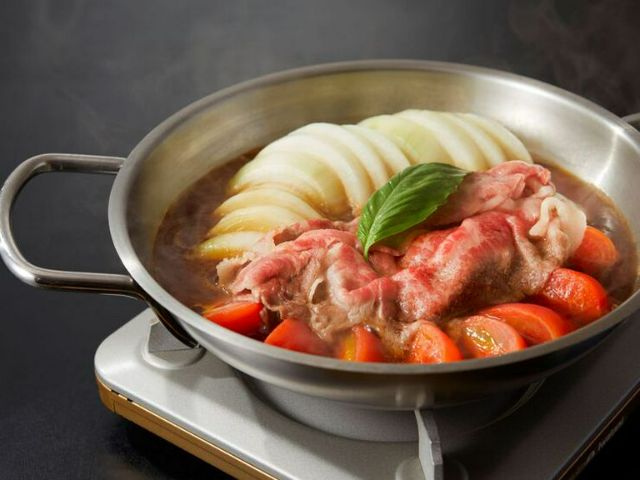
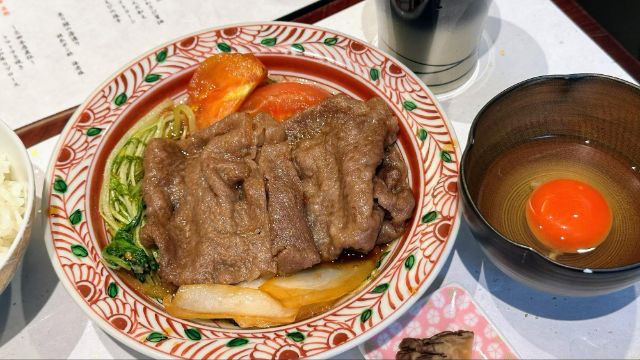
Signature Michelin-Quality Tomato Sukiyaki
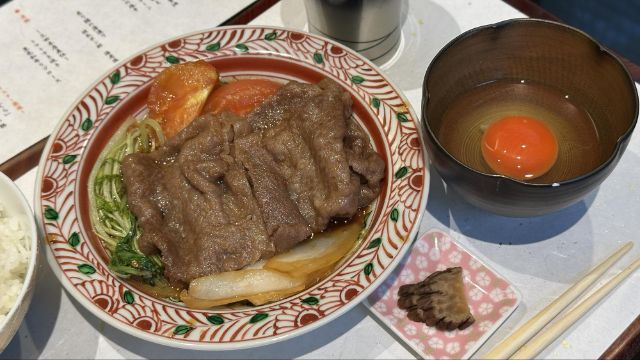
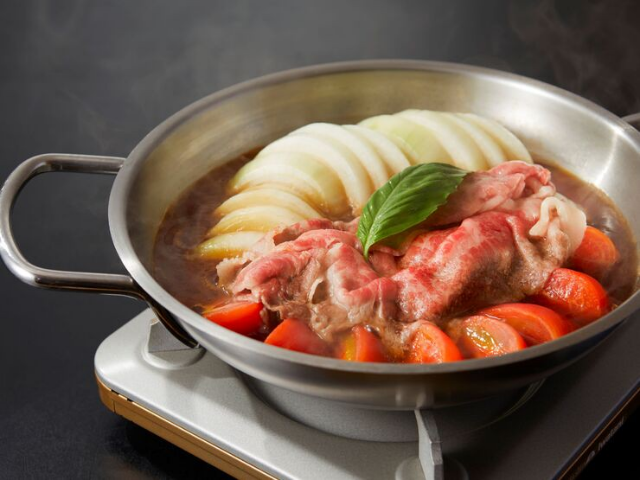
The Tomato Sukiyaki itself is connected to “basara” philosophy as well. Sukiyaki is a traditional hot pot dish in Japan made with ingredients such as glass or shirataki noodles, shiitake mushrooms, and sometimes carrots or other root vegetables simmered with thinly sliced beef in a sweet-savory broth called “warishita.” The version of sukiyaki served at Mita Basara and Mita Basara Bettei is quite different from this.
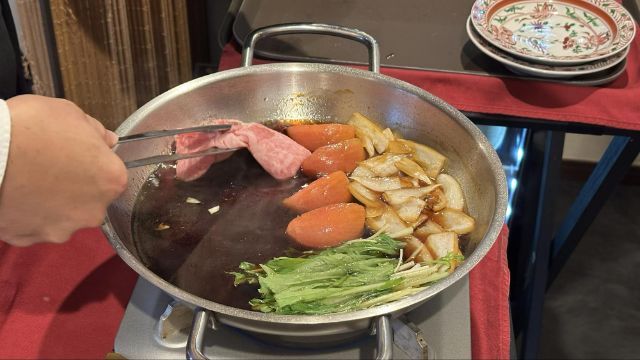
This summer, the restaurant is using onions from Chiba prefecture, not far from Tokyo, that retain their crunch and sweetness even after cooking. By using “new” onions, Misa Basara Bettei is able to serve them half-raw for a more fresh flavor. The tomatoes, one of the most important elements of the meal, are from Sugita Farm in Kyoto, which specializes in growing outstanding domestic tomatoes.
After allowing the broth and vegetables to simmer, long slices of wagyu are gently placed in the warishita to absorb the sauce as they cook. This time, Mita Basara Bettei used Kagoshima black wagyu beef rib roast. While braising in the hot soup, most of the meat’s excess fat melts away. Sukiyaki is a good way to experience highly-marbled wagyu even if you don’t usually prefer fattier cuts because the fat renders into the warishita. The natural umami of the tomatoes, beef, and sauce all compliment each other and break down the beef protein for practically melt-in-your mouth bites.
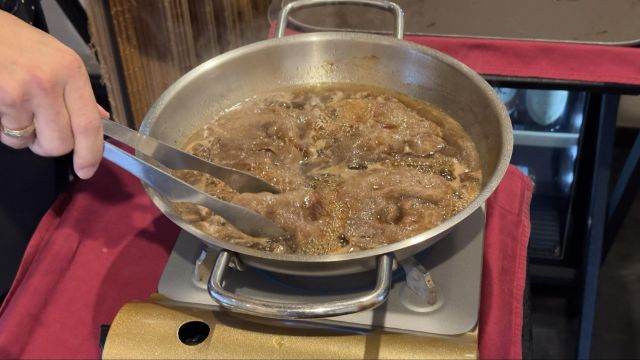
It’s also worth noting that while sukiyaki has a reputation for being sweet even to the point of syrupy, Mita Basara Bettei serves a much lighter, more savory version that is further enhanced by the acidity of onion and tomato. Diners who have avoided trying sukiyaki up until now, due to the sweetness, heaviness, or hands-on work that goes into making it, will likely find exactly what they are looking for at Mita Basara.
Kaiseki Mita Basara Bettei
Closed: Irregular
Average price: [Dinner] 20,000 JPY
Access: 187m from Roppongi Station
Address: 7-17-2, Roppongi, Minato-ku, Tokyo Map
More Details Reservation
Enjoying Sukiyaki the Traditional Way with Exceptional Ingredients
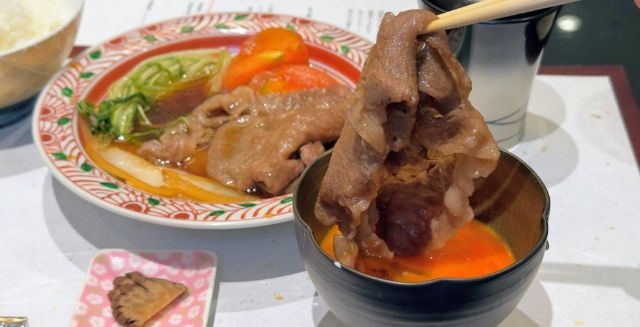
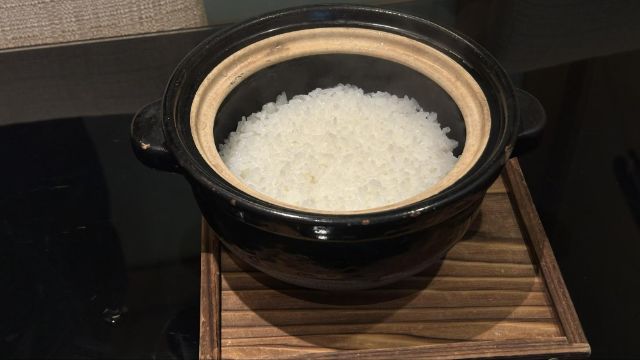
Mita Basara Bettei serves donabe gohan, rice that has been steamed in an earthenware pot. It’s said that this method improves the texture of the rice, which is already of high quality. Depending on the season and stock, the five-star “rice meister” (something like a rice sommelier) entrusted to choose rice for the restaurant selects brands for particular grain size, softness, and stickiness. We enjoyed the taut, slightly softer than al-dente quality of Masshigura rice from Aomori Prefecture with our wagyu sukiyaki. It’s an outstanding variety of rice that tastes so good you can even enjoy it on its own. Paired with the smokey iburi-gakko pickles and wagyu, the rice comes to life.
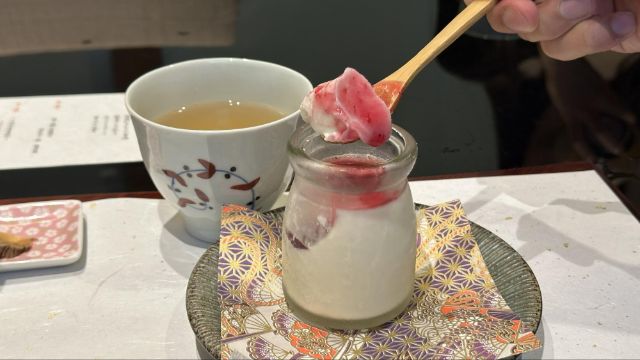
Interestingly, while some of the hassun dishes were Western inspired, others were very traditional. First timers might be surprised at the saline, ocean flavor of crunchy, popping komochi kombu, an old fashioned seaweed dish. The shrimp shiokara, a dish made by fermenting seafood in its own juices, is a similarly “high level” Japanese food, not commonly served to travelers. However, the deep Japan flavor of these appetizers is nicely paired against dessert, a creamy panna cotta with fruit sauce.
A Deep Look at Japanese Cuisine Beyond the Counter
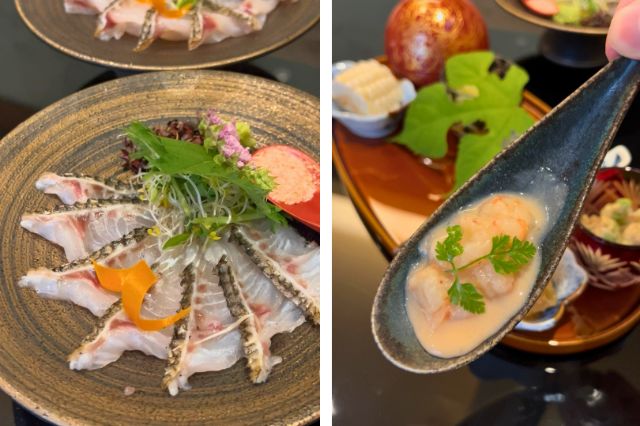
Because of the contrasts enjoyed throughout the course, a meal at Mita Basara Bettei is both delicious and a great way to study Japanese culture. Diners will encounter rare, authentic flavors of Japan while enjoying the restaurant’s creative application of Western ingredients and techniques. Both elements existing in harmony is a true example of Japanese food culture.
Private Dining & Ambience
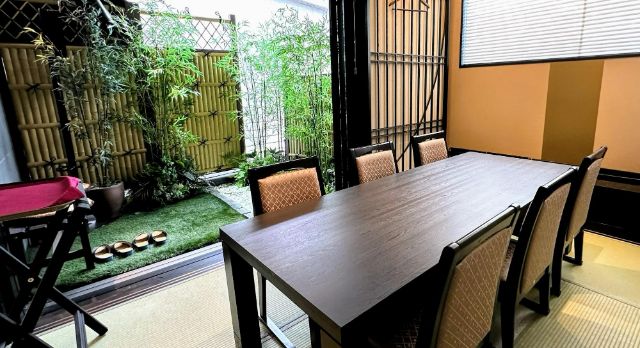
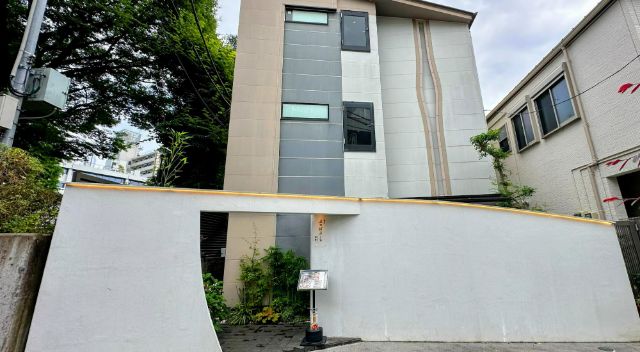
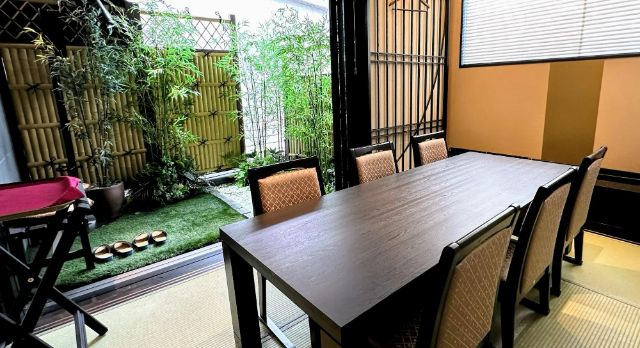
The building that houses Mita Basara Bettei will excite fans of architecture with its unique facade and layout. Although the exact architect is a secret, staff mention that the building is full of design details that guests in the know will recognize. Inside, the design is very traditional. Images of seasonal flowers have been printed on the sliding doors that divide rooms, and faux greenery looks just real enough from the comfort of air conditioned tatami rooms.
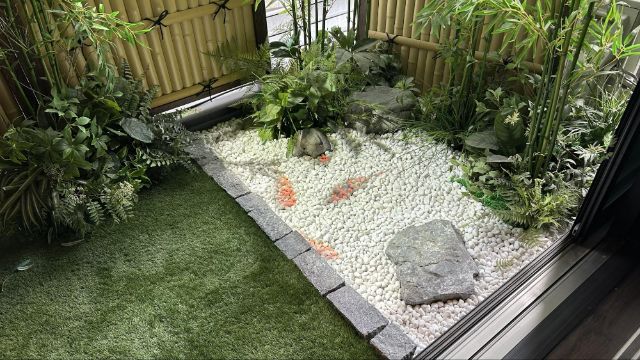
Seating options include tatami rooms with raised chairs or standard Western dining tables, as preferred. There are many private rooms, and some even have balconies attached to let fresh air in or to use for a smoke break. There is a koi-pond inspired light show on one patio which is popular with families.
Adult guests will find that the selection of wine and premium sake are both perfectly suited to the meal. Drawing on the flavors of European cuisine means that even red Burgundies and Champagne are appropriate pairings. However, many guests choose to stick with Japanese sake, which naturally compliments the rice and refreshes after a bite of succulent wagyu beef.
Why Choose Kaiseki Mita Basara Bettei?
Why Book at Kaiseki Mita Basara Bettei?
Kaiseki Mita Basara Bettei
Closed: Irregular
Average price: [Dinner] 20,000 JPY
Access: 187m from Roppongi Station
Address: 7-17-2, Roppongi, Minato-ku, Tokyo Map
More Details Reservation
Disclaimer: All information is accurate at time of publication.
Thank you for reading our article.
Our goal is to take your culinary journey to the next level by helping you find the best restaurant. With SAVOR JAPAN, you can search and make reservations for
the Kaiseki and Sukiyaki restaurants found in and around Tokyo and Roppongi that fill your needs.
Discover more Kaiseki and Sukiyaki restaurants by area
- Tokyo Area
- Near Tokyo
- Kyoto and Osaka Area
- Hokkaido Area
- Northern Honshu (Tohoku)
- Central Honshu (Chubu)
- Western Honshu (Chugoku)
- Shikoku
- Kyushu
- Okinawa and Ryukyu Islands
Discover more restaurants to eat Japanese Cuisine and Japanese Cuisine by area
Keywords
Related Articles
-
Tokyo 5 Best Restaurants for Sukiyaki and Shabu, Savoring the Full Flavor of Beef
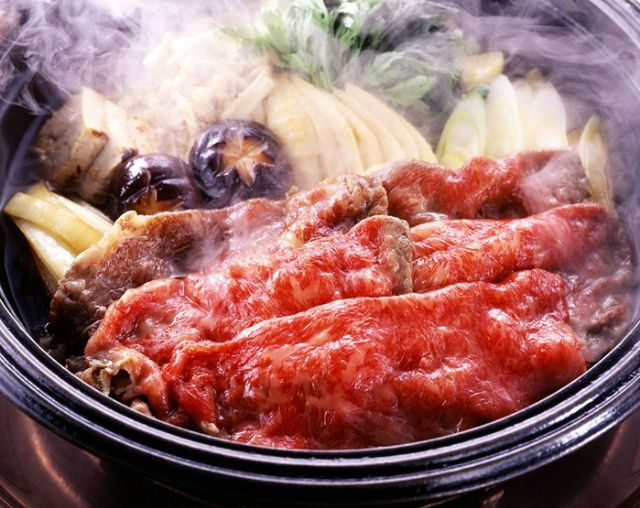
Sukiyaki is a dish that comes to mind as a representative of Japanese food for many people. In addition to the traditional Japanese style of sitting around a pot to eat, another attraction of Sukiyaki is that you can taste Japanese and domestic beef, which is a popular ingredient. This time, we have selected a variety of restaurants where you can enjoy the profound world of Sukiyaki, from the tastes of specialty restaurants that specialize in Sukiyaki to menus that have been uniquely developed by Japanese restaurants and the specialties of long-established restaurants in Kyoto, the birthplace of Sukiyaki.
-
Tokyo Buffet Guide: 13 All-You-Can-Eat Restaurants for Shabu-Shabu, Yakiniku, Sushi & More
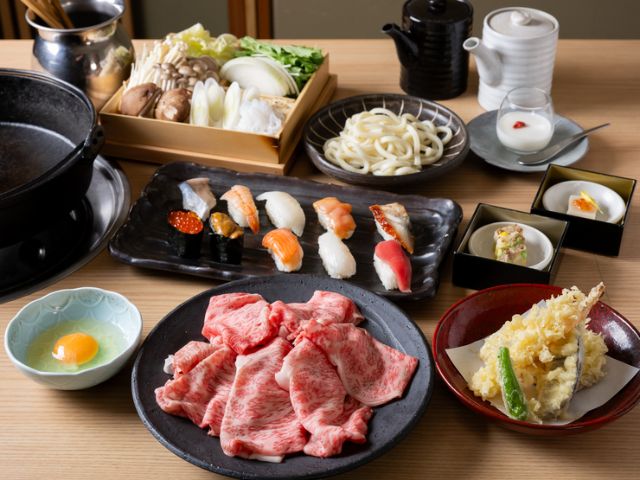
If you prioritize dining satisfaction in Tokyo, the all-you-can-eat style is also recommended. Shabu-shabu, sukiyaki, yakiniku, sushi, etc. From Japanese cuisine to international dishes and hotel buffets, popular restaurants have been carefully selected for enjoyment. Guests can savor a variety of flavors.
-
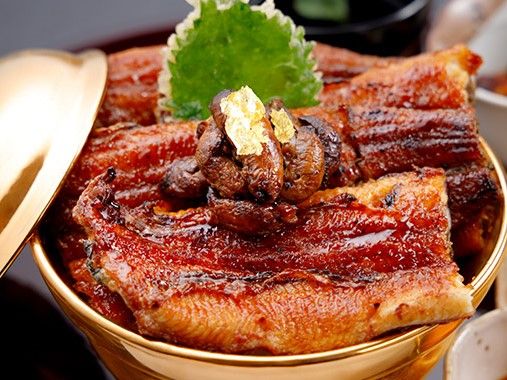
11 Selected Restaurants in Tokyo Where One Can Enjoy Delicious 'Donburi'
A 'donburi' is a popular Japanese dish consisting of rice topped with ingredients such as meat, fish, or eggs. In Tokyo, one can find a variety of donburi including katsudon, oyakodon, seafood don, and tendon, each restaurant offering its unique flavors. It is recommended as a dish that can be easily enjoyed during one's travels.
-
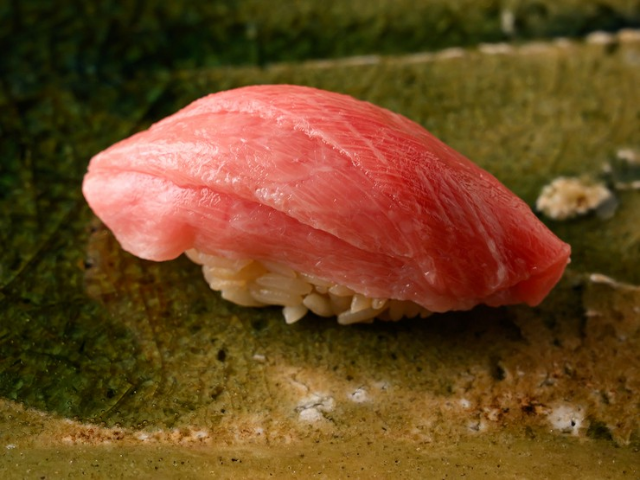
Azabudai Yuuri, a Bold New Sushi Omakase Near Tokyo Tower
When restaurants make the decision to appeal to international visitors, they often choose one of two routes: focus on cuisine that global guests will recognize, or hope they’ll learn to tread water with an immersion in Japanese tradition. At his new sushi restaurant near Azabudai Hills and Tokyo Tower, head chef Takahashi Yuta uses his childhood abroad to forge a third route: livening up Edomae sushi with clear English and a big personality.
-
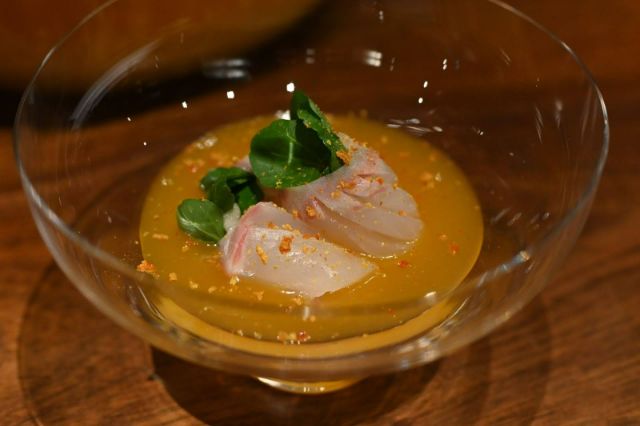
Where Kaiseki meets Fermentation: Experimental Washoku & Soba in Azabu-Juban at Hidden Gem Restaurant Honda
Honda Azabu-juban can be summed up in one word: eclectic. Its owner and mastermind, Chef Honda, is a sommelier, soba-artisan, and distinctly quirky guy wrapped in a cool chef package. For more than a decade, he has taken on independent challenges and devised menus that express his personality for guests’ enjoyment. In its current iteration, Chef Honda’s fermentation-forward course menu reinterprets Japanese food with creativity and confidence, blending classics with unexpected details that don’t fail to delight.
New Articles
-
Tochigi Travel Guide: Nikko, Ashikaga & Local Food Bookings
-
7 Top Eel Restaurants in Fukuoka Where You Can Make Reservations! Enjoy Exquisite Unadon, Seiro-Mushi, and Hitsumabushi Without Waiting in Line
-
A Peaceful Day Trip from Tokyo: Discover the Hidden Charm of Kita-Kamakura
-
The Best Hokkaido Food and Sushi in Tokyo: Hokkaisushi to Robata Sushiyama Shinjuku
-
![[Tokyo Restaurant Guide] Hibiya Palace|A French Restaurant in Hibiya Park: Lunch, Menu Prices & Reservation Tips](https://rimage.savorjapan.com/svj/image/discover_oishii_japan/7238/article_head_150x105z.jpg?t=1786598582)
[Tokyo Restaurant Guide] Hibiya Palace|A French Restaurant in Hibiya Park: Lunch, Menu Prices & Reservation Tips
Categories
Cuisine
- Bars (24)
-
Japanese Cuisine (706)
- Kaiseki (51)
- Nabe (22)
- Okonomiyaki (25)
- Shabu Shabu (38)
- Soba (19)
- Sushi (150)
- Tempura (20)
- Teppanyaki (45)
- Shojin Ryori (4)
- Tonkatsu (16)
- Kushiyaki (10)
- Yakitori (46)
- Sukiyaki (36)
- Japanese Cuisine (344)
- Oyster (3)
- Sashimi/ Seafood (34)
- Unagi (eel) (38)
- Motsu Nabe (offal hotpot) (12)
- Mizutaki (chicken hot pot) (4)
- Oden (9)
- Kaisendon (seafood bowl) (12)
- Udon (3)
- Taverns(Izakaya) Cuisine (137)
- Western Cuisine (42)
- Italian/French Cuisine (98)
- Yakiniku/Steak (235)
- Chinese Cuisine (27)
- Ramen (Noodles) Cuisine (25)
- Cafe/Sweets (71)
- Other Asian Cuisine (5)
- Global/International Cuisine (7)
- Alcohol (59)
- Other (11)
Area
- Shikoku (10)
- Kyoto and Osaka (356)
-
Tokyo (493)
- Tokyo (309)
- Ginza (52)
- Roppongi (27)
- Shibuya (30)
- Shinjuku (52)
- Asakusa (21)
- Ebisu (15)
- Tsukiji (13)
- Tokyo Landmarks (5)
- Ueno (24)
- Akihabara (9)
- Ikebukuro (14)
- Jiyugaoka, Denenchofu, Nakameguro (9)
- Shimokitazawa (4)
- Kichijoji (3)
- Tachikawa (1)
- Omotesando, Harajuku, Aoyama (20)
- Akabane (1)
- Kagurazaka (4)
- Akasaka (10)
- Odaiba (2)
- Tsukishima, Harumi, Toyosu (3)
- Near Tokyo (106)
- Okinawa and Ryukyu Islands (58)
- Hokkaido (124)
- Northern Honshu (Tohoku) (31)
- Central Honshu (Chubu) (146)
- Western Honshu (Chugoku) (33)
- Kyushu (96)
Archives
- September 2026(3)
- August 2026(6)
- July 2026(11)
- June 2026(10)
- May 2026(7)
- April 2026(18)
- March 2026(3)
- February 2026(13)
- January 2026(11)
- December 2025(9)
- November 2025(4)
- October 2025(3)
- September 2025(6)
- August 2025(11)
- July 2025(19)
- June 2025(18)
- May 2025(34)
- April 2025(43)
- March 2025(30)
- February 2025(36)
- January 2025(25)
- December 2024(69)
- November 2024(31)
- October 2024(15)
- September 2024(38)
- August 2024(65)
- July 2024(31)
- June 2024(54)
- May 2024(61)
- April 2024(28)
- March 2024(31)
- February 2024(42)
- January 2024(32)
- December 2023(20)
- November 2023(5)
- October 2023(10)
- September 2023(7)
- August 2023(18)
- July 2023(8)
- June 2023(8)
- May 2023(18)
- April 2023(15)
- March 2023(1)
- January 2023(1)
- April 2022(2)
- March 2022(2)
- February 2022(1)
- January 2022(1)
- July 2021(1)
- March 2021(1)
- February 2021(1)
- December 2020(1)
- October 2020(1)
- September 2020(2)
- August 2020(10)
- July 2020(6)
- June 2020(9)
- May 2020(11)
- April 2020(8)
- March 2020(8)
- February 2020(13)
- January 2020(9)
- December 2019(24)
- November 2019(8)
- August 2019(14)
- July 2019(15)
- June 2019(18)
- May 2019(17)
- April 2019(16)
- March 2019(22)
- February 2019(22)
- January 2019(26)
- December 2018(34)
- November 2018(40)
- October 2018(32)
- September 2018(11)
- August 2018(8)
- July 2018(6)
- June 2018(9)
- May 2018(10)
- April 2018(21)
- March 2018(74)
- February 2018(39)
- January 2018(25)
- December 2017(60)
Keywords
- Omakase
- Accessible
- Affordable
- All-You-Can-Eat
- Amazing Scenery
- anime
- Art
- Autumn
- Awards
- Beer Gardens
- Breakfast
- Chef Recommendations
- Cherry Blossoms
- Chinese
- Close To Station
- Condiments
- Counter
- Coupon
- Crab
- Culture
- Dassai
- Dates
- delivery
- Early Summer
- Editor's Recommendation
- English Available
- Event
- Expo
- Fall Leaves
- Family-Friendly
- Famous Restaurant
- Famous Tourist Spot
- Fast Food
- festival
- fireworks
- Flower Farm
- Free Wi-Fi
- French
- Great Location
- Guide
- Hibachi
- hotpot
- How To
- hydrangea
- Hygiene
- Illumination
- Italian
- Izakaya
- Japanese
- Japanese alcohol
- jingisukan
- Kaiseki
- Kappo
- Kushiage
- Kushikatsu
- Kyoto
- Late-Night
- Lunch
- Manners
- matsusakagyu
- Michelin
- mizutaki
- Model Course
- monjayaki
- motsunabe
- Mt.Fuji
- Multilingual Menus
- Nabe
- Narita Airport
- New Year
- Ninja
- Noodle
- Oden
- Okonomiyaki
- omotenashi
- Onsen
- Osaka
- Osaka Station
- Photogenic Site
- pizza
- PR
- Private Room
- Ramen
- ranking
- Recipe
- Regional Cuisine
- Resort
- Rice Bowl Dish (Donburi)
- sacred places
- Sake
- Sakura
- Sashimi
- sea urchin
- Setouchi Area
- Shabu Shabu
- sightseeing
- Signature Dish
- Soba
- Solo Diners Welcomed
- Spicy Food
- Spring
- Steak
- Summer
- Sunflower
- Sushi
- takeout
- Teppanyaki
- Terrace Seating
- Tokyo
- Tokyo Experiences
- Tokyo Skytree
- Tokyo Tower
- unagi
- UNESCO
- Vegan
- Vegetarian
- Wagyu
- What Popular Gourmet Sites Recommend
- Whisky
- Wine Bar
- Winter
- Wisteria
- Workshop
- World Heritage Site
- World Writers
- Yakiniku
- Yoshoku
- Yuba
- Zen
Discover Restaurants By Area
-

Tokyo Area
Japan's largest city, Tokyo, is the center of culinary culture in Japan. Countless Tokyo restaurants serve every kind of food imaginable and the Toyosu fish market keeps restaurants stocked with the nation's finest fish.
-

Near Tokyo
Coastal areas, mountains and valleys surrounding Tokyo are bursting with tourist destinations, such as hot springs and ski slopes, where many unique foods are only available locally.
-

Kyoto and Osaka Area
The cities of Kyoto and Osaka, together with their surrounding areas, have greatly influenced Japan's culinary culture since the 7th Century. The region is renowned for its entertainment, Kobe beef, and wide-ranging traditional dishes.
-

Hokkaido Area
The island of Hokkaido is home to wide-ranging produce of the finest quality, such as rice, meat, vegetables, fish and fruit. Popular dishes from Hokkaido include robatayaki (food slowly roasted on skewers) and Sapporo miso ramen.
-

Northern Honshu (Tohoku)
The northern end of Japan's main island, Honshu, is renowned for its seasonal fruit and vegetables, nation-leading harvest of fish (especially tuna from Ohma), and delicious beef from Yonezawa, Sendai and Yamagata.
-

Central Honshu (Chubu)
Chubu is in the center of Japan's main island, Honshu, and its culinary culture reflects its position between Japan's western and eastern halves. Delicious Hida beef, world-famous Mount Fuji and many acclaimed sake breweries are in Chubu.
-

Western Honshu (Chugoku)
Chugoku, on the southwest of Japan's main island, is rich with diverse produce. Many of its products are praised as Japan's best, including Matsuba crabs from Tottori and oysters from Hiroshima. Its pears and muscats are also top grade.
-

Shikoku
The mild climate of Shikoku is ideal for growing citrus fruit such as sudachi. Shikoku is also famous for Sanuki udon noodles, huge yields of tiger prawn from Ehime Prefecture and the best torafugu (tiger globefish) in the country.
-

Kyushu
Western culture was first introduced to Japan through Kyushu, Japan's third largest island, where the influence of Portuguese and other western cuisine influenced the creation of a colorful culinary tradition.
-

Okinawa and Ryukyu Islands
Okinawa, Japan’s southernmost prefecture, is a treasure trove of distinctive dishes and drinks that have become popular throughout Japan, including Okinawa soba, unique sushi toppings and Awamori distilled liquor.